 Beacon Shores
Valley Center · CA
Intensive Outpatient Program in Valley Center, CA
Intensive Outpatient Program in Valley Center
Valley Center is a rural community in northern San Diego County known for its sprawling ranches, citrus groves, and tight-knit atmosphere. Located about 30 miles northeast of Encinitas, this unincorporated area offers residents a peaceful, country lifestyle with its rolling hills and agricultural heritage. While the spacious properties and relative isolation can provide a welcome respite from urban stress, this same geographical distance can make accessing quality healthcare services more challenging for Valley Center families dealing with substance abuse and addiction.
The rural character of Valley Center means residents often face longer travel times to reach specialized treatment facilities, which can become a significant barrier when immediate help is needed. Addiction doesn't discriminate based on zip code, and Valley Center's quiet streets are not immune to the opioid crisis, alcohol dependency, and other substance use disorders affecting communities nationwide. Many residents may delay seeking treatment due to concerns about privacy in a smaller community or the logistical challenges of commuting to quality care facilities.
Our Encinitas-based addiction treatment center understands the unique needs of Valley Center residents and provides accessible, confidential care for individuals and families throughout northern San Diego County. Whether you're struggling with prescription medication dependence, alcohol use disorder, or other substance abuse issues, professional treatment can help you reclaim your life. We offer evidence-based therapies, personalized treatment plans, and compassionate support designed to address the root causes of addiction while respecting the values and lifestyle of rural communities like Valley Center.
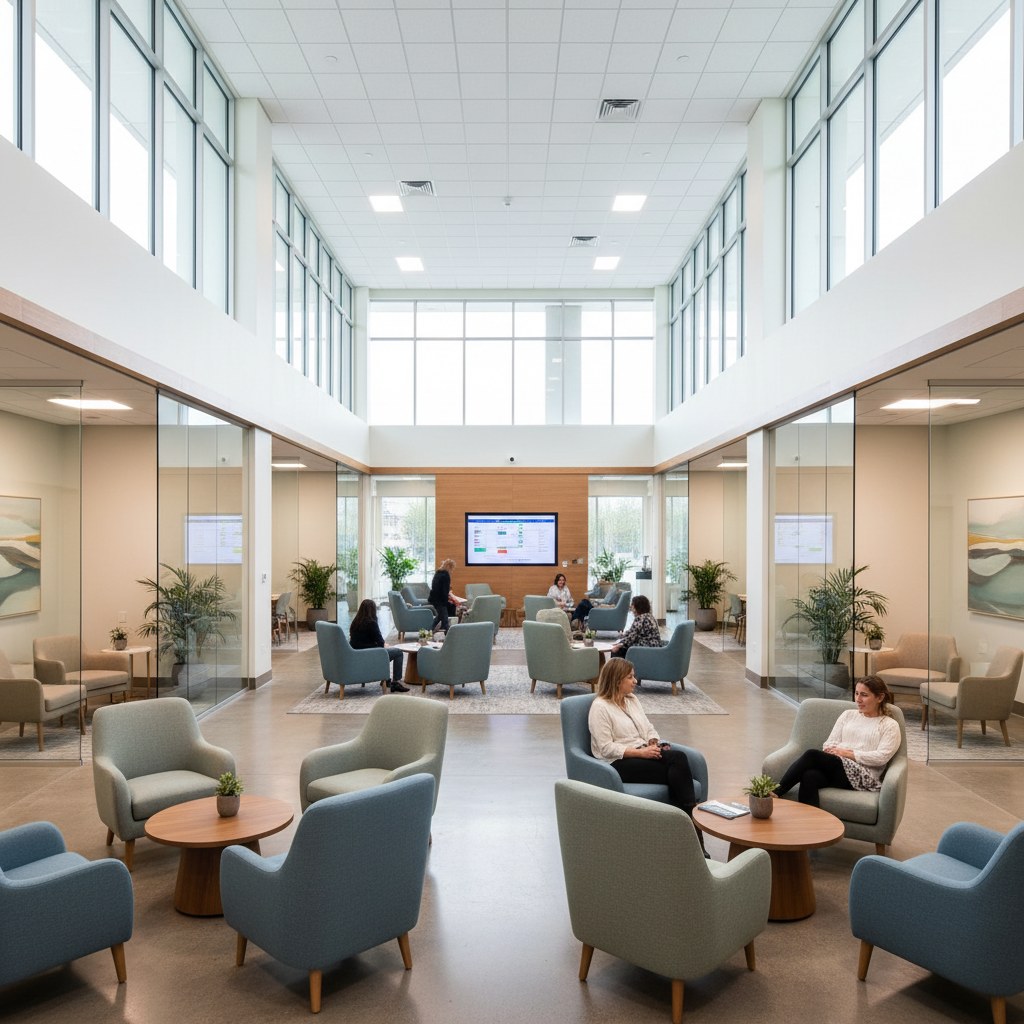
Recovery doesn't have to mean stepping away from everything you've built. Our Intensive Outpatient Program (IOP) offers a structured path to healing that honors your commitments while giving you the clinical support you need to reclaim your life from addiction.
This is treatment designed for real life—where you can maintain work, family responsibilities, and your daily routine while accessing the same quality care you'd find in residential programs. You'll find your footing in a coastal setting that reminds you why sobriety is worth fighting for.

The Benefits of Intensive Outpatient Care
Maintain Your Responsibilities
Continue working, caring for family, and meeting daily obligations while receiving professional treatment.
Real-World Application
Practice recovery skills in your actual environment, not an isolated setting removed from everyday triggers.
Strong Community Connection
Build relationships with peers who understand your journey and provide accountability beyond clinical hours.
Cost-Effective Treatment
Access comprehensive care at a lower cost than residential programs without sacrificing quality or outcomes.
Gradual Transition
Step down smoothly from higher levels of care or step up when outpatient support alone isn't enough.
Family Involvement
Include loved ones in your recovery process through family sessions and education about supporting long-term sobriety.
Speak to a real person.
Your Path Through Intensive Outpatient Treatment
- Initial Assessment We'll sit down together to understand your substance use history, mental health needs, current circumstances, and recovery goals. This conversation shapes your personalized treatment plan and determines if IOP is the right level of care.
- Active Treatment Phase Attend scheduled sessions multiple times per week, typically ranging from nine to fifteen hours total. You'll engage in group therapy, individual counseling, skill-building workshops, and periodic assessments to track your progress.
- Transition Planning As you demonstrate stability and progress, we'll gradually reduce session frequency while strengthening your external support network, connecting you with community resources, and ensuring you have a solid continuing care plan.
- Ongoing Support Recovery doesn't end when structured treatment does. We'll remain available for check-ins, alumni programming, and step-down support to help you navigate challenges and maintain the foundation you've built.