 Beacon Shores
Escondido · CA
IOP Addiction Treatment in Escondido, CA
IOP Addiction Treatment in Escondido
Escondido, a vibrant city nestled in San Diego County's North County Inland region, is home to over 150,000 residents who enjoy the area's blend of suburban comfort and cultural amenities. Known for its warm Mediterranean climate, thriving arts scene, and family-friendly atmosphere, Escondido offers a quality of life that many cherish. Yet beneath this appealing surface, many individuals and families in the community struggle with addiction—a challenge that doesn't discriminate based on zip code or neighborhood.
Substance use disorders affect people from all walks of life in Escondido, from young professionals working in the city's growing business sectors to families dealing with generational patterns of addiction. The pressures of daily life, economic stress, mental health challenges, and the widespread availability of both prescription medications and illicit substances have contributed to rising rates of dependency throughout San Diego County. Many Escondido residents find themselves caught in cycles of addiction that impact their relationships, careers, and overall well-being, often feeling isolated or unsure where to turn for help.
Recovery is possible, and seeking professional addiction treatment is a courageous first step toward reclaiming your life. Our Encinitas-based treatment center is conveniently located to serve Escondido residents, offering evidence-based care in a supportive, compassionate environment. We understand the unique challenges facing North County communities and provide personalized treatment plans that address not just the addiction itself, but the underlying factors contributing to substance use. Whether you're struggling with alcohol, opioids, methamphetamine, or other substances, our experienced team is committed to helping you build a foundation for lasting recovery while remaining connected to your Escondido community and support systems.
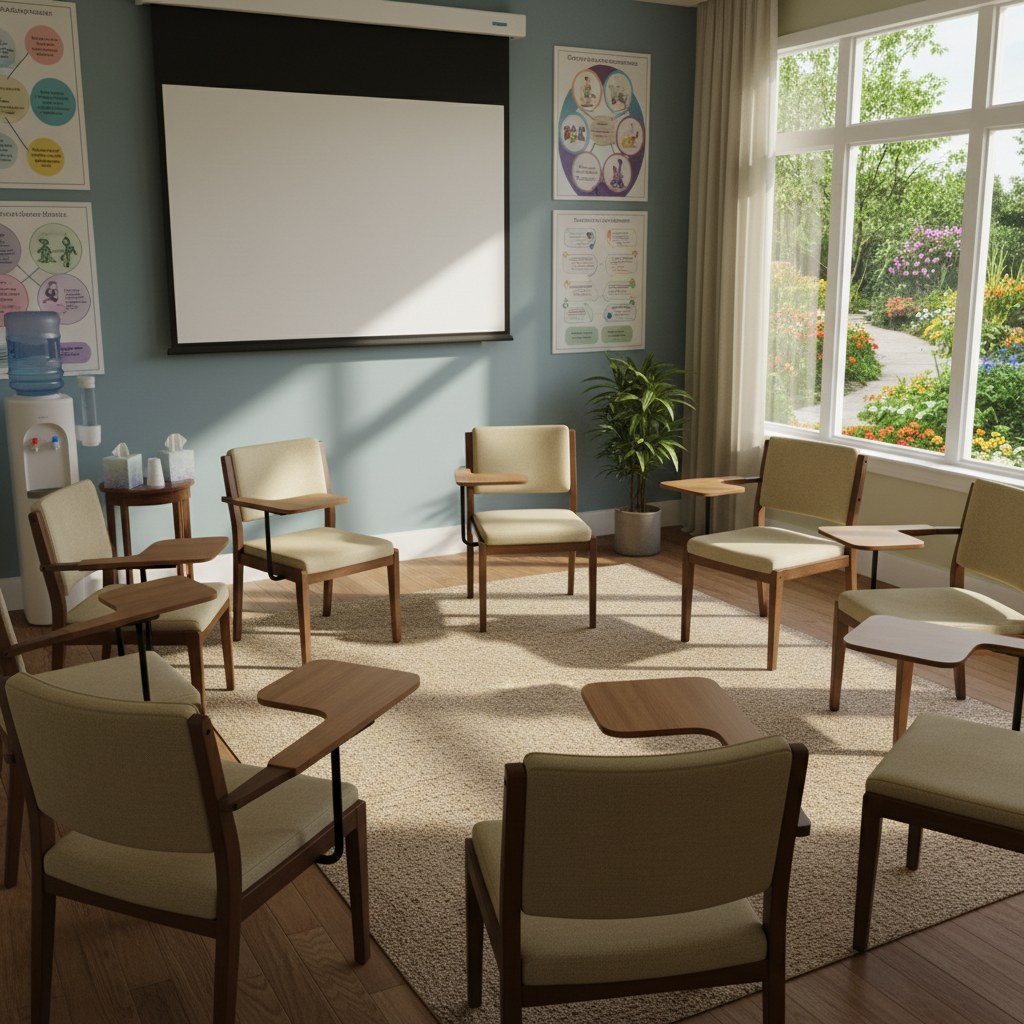
Recovery doesn't require putting your entire life on hold. Intensive Outpatient Programs (IOP) provide comprehensive addiction treatment while allowing you to maintain work, family, and personal responsibilities that anchor your healing journey.
Our IOP brings together evidence-based therapy, peer support, and clinical expertise in a structured format that adapts to your schedule. You'll receive the care you need to build lasting sobriety while staying connected to the life you're working to reclaim.

The Benefits of IOP
Maintain Daily Responsibilities
Continue working, caring for family, and fulfilling commitments while receiving comprehensive treatment support.
Real-World Application
Practice recovery skills in your actual environment, addressing challenges as they arise rather than in isolation.
Community Connection
Build meaningful relationships with peers who understand your journey and provide ongoing encouragement.
Cost-Effective Care
Receive intensive clinical support at a fraction of residential treatment costs while avoiding disruption to income.
Seamless Transitions
Step down smoothly from higher levels of care or step up when outpatient therapy alone isn't enough.
Family Involvement
Include loved ones in your healing process through dedicated family sessions and educational programming.
Speak to a real person.
Your IOP Journey
- Clinical Assessment We conduct a thorough evaluation of your substance use history, mental health, living situation, and support system to design a personalized treatment plan that addresses your unique needs and circumstances.
- Program Engagement Attend scheduled sessions combining evidence-based therapies like CBT and DBT with peer support groups, life skills training, and specialized tracks addressing co-occurring mental health conditions.
- Progress Monitoring Your clinical team regularly reviews your advancement, celebrates milestones, addresses setbacks with compassion, and adjusts your plan to ensure you're receiving the right level of support.
- Transition Planning As you build stability and confidence, we collaboratively develop your step-down plan, connecting you with outpatient therapy, community resources, and ongoing support systems for sustained recovery.