 Beacon Shores
Camp Pendleton South · CA
IOP Drug Rehab in Camp Pendleton South, CA
IOP Drug Rehab in Camp Pendleton South
Camp Pendleton South is a distinctive community located just outside the gates of Marine Corps Base Camp Pendleton, serving military families, veterans, and civilian residents in northern San Diego County. This area is characterized by its strong military presence and close-knit community atmosphere, where service members and their families navigate the unique challenges of military life. The demands of active duty, deployment cycles, and the transition back to civilian life can create significant stress that sometimes leads to substance use as a coping mechanism.
Military culture often emphasizes strength and resilience, which can make it difficult for service members and their families to reach out for help with addiction. The pressures of combat experience, PTSD, chronic pain from service-related injuries, and the strain of frequent relocations all contribute to elevated rates of substance use disorders among military populations. For veterans transitioning out of service, the loss of structure and purpose can be particularly challenging, and many turn to alcohol or other substances during this difficult period.
Our Encinitas-based addiction treatment center understands the specific needs of the Camp Pendleton South community and provides confidential, compassionate care designed with military families in mind. We recognize that seeking treatment requires courage, and we're committed to providing evidence-based therapies in a supportive environment that respects the values of service and honor. Whether you're an active duty service member, a veteran, or a family member affected by a loved one's addiction, professional treatment can provide the tools needed for lasting recovery and help restore stability to your life and family.
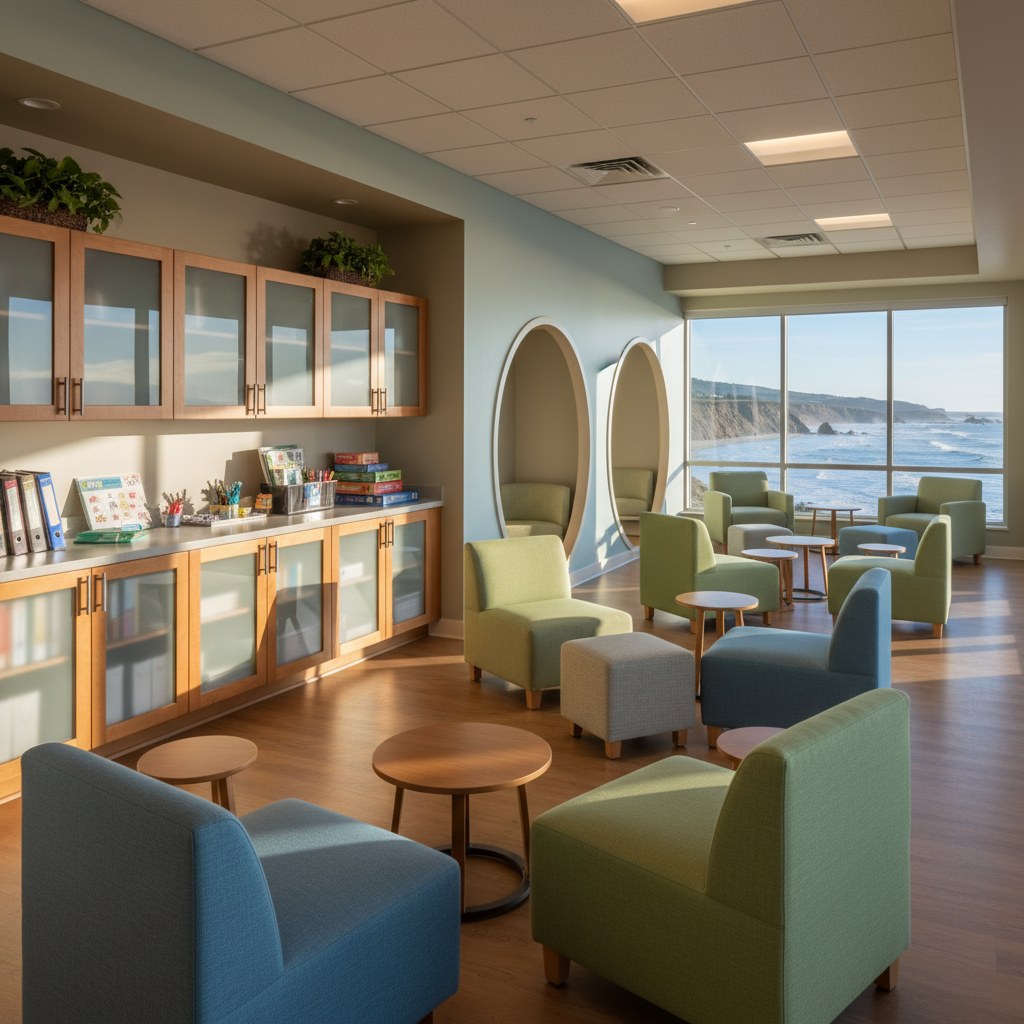
Recovery doesn't require you to step away from everything you've built. Intensive Outpatient Programs (IOP) for drug rehab offer comprehensive addiction treatment designed around your life—delivering the clinical support you need while you continue working, caring for family, or attending school.
This treatment model bridges the gap between residential care and returning to daily life entirely on your own. You'll participate in structured therapy sessions multiple days per week, building the skills and support network essential for lasting sobriety, all while sleeping in your own bed and maintaining the routines that ground you.

Benefits of Intensive Outpatient Treatment
Flexibility and Accessibility
Continue working, parenting, or attending school while receiving clinical-grade addiction treatment that adapts to your schedule.
Real-World Skill Application
Practice recovery strategies in your actual environment, addressing challenges as they arise with professional guidance.
Cost-Effective Care
Receive comprehensive treatment at a lower cost than residential programs, often with better insurance coverage.
Community Connection
Build meaningful relationships with peers who understand your journey while maintaining ties to family and existing support systems.
Gradual Transition
Step down smoothly from residential care or step up from traditional outpatient services based on your changing needs.
Privacy and Dignity
Access professional treatment without extended absences that might compromise employment or reveal your recovery journey before you're ready.
Speak to a real person.
Your IOP Journey
- Comprehensive Assessment We begin with an in-depth evaluation of your substance use history, mental health, medical needs, and life circumstances. This assessment determines whether IOP is the right level of care and helps us design a personalized treatment plan.
- Active Treatment Phase Attend scheduled group and individual sessions where you'll engage in evidence-based therapies, learn essential recovery skills, and address underlying issues. Your treatment team monitors progress closely and adjusts your plan as needed.
- Integration and Practice Apply what you're learning in session to your daily life—managing stress at work, navigating relationships, avoiding high-risk situations. Bring challenges back to group for problem-solving and support.
- Step-Down and Aftercare As you stabilize and grow stronger, gradually reduce session frequency while strengthening your external support network. Transition to continuing care that sustains your momentum and keeps you connected.