 Beacon Shores
Pala · CA
Long Term Drug Rehab in Pala, CA
Long Term Drug Rehab in Pala
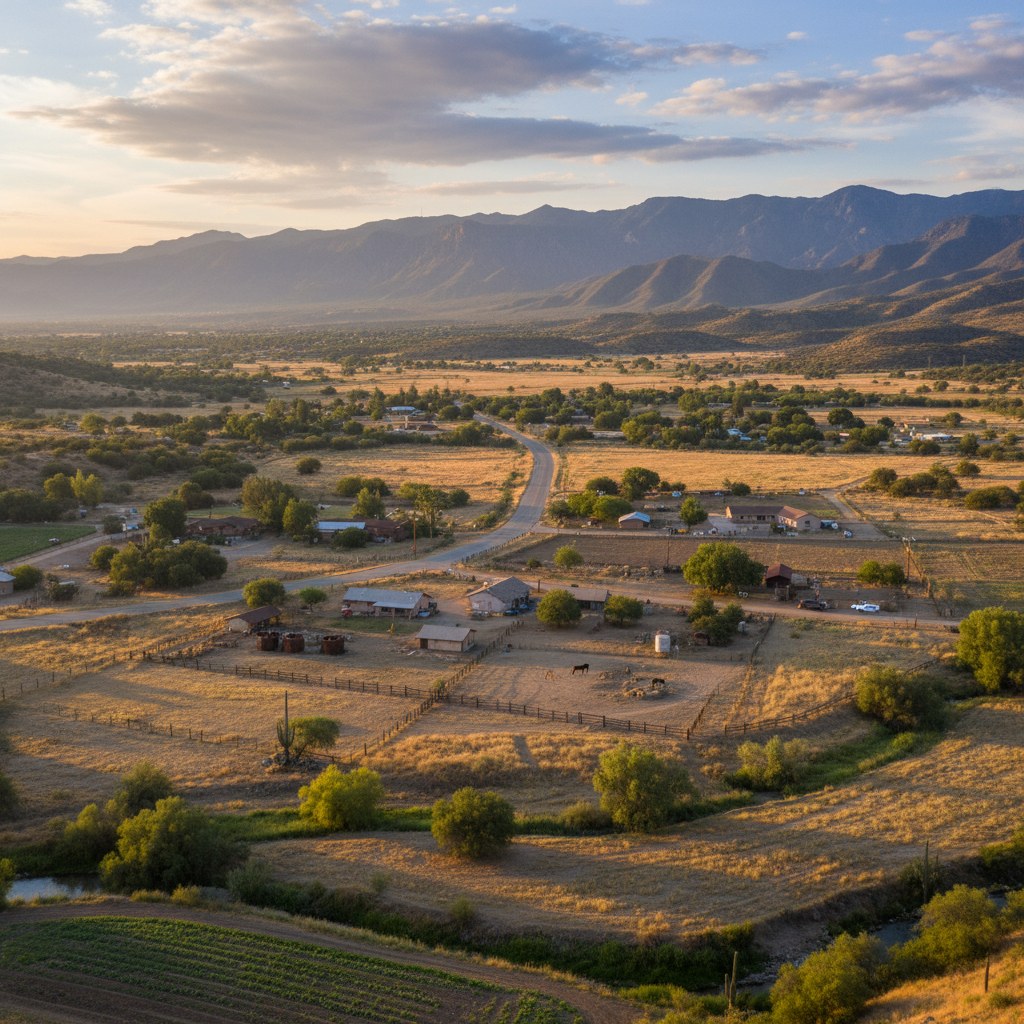
Pala is a small, close-knit community in northern San Diego County, known for its rural character, rolling hills, and strong ties to the Pala Band of Mission Indians reservation. This quiet area offers residents a peaceful environment away from urban pressures, yet the challenges of addiction don't respect geographic boundaries. Whether struggling with alcohol dependence, prescription medication misuse, or other substance use disorders, individuals in Pala deserve access to compassionate, evidence-based addiction treatment without having to travel far from home.
The rural nature of Pala can sometimes create barriers to seeking help. Limited local treatment resources, concerns about privacy in a small community, and transportation challenges can make it difficult for residents to access the care they need. Many people in Pala and surrounding areas feel isolated in their struggle with addiction, unsure where to turn for professional support. Our Encinitas-based treatment center serves the Pala community with comprehensive addiction services designed to address the unique needs of North County residents.
Recovery is possible, and seeking help is a sign of strength, not weakness. Our team understands the specific challenges facing residents of smaller communities like Pala and provides personalized treatment plans that respect your privacy while connecting you with proven therapeutic approaches. Whether you're dealing with substance abuse yourself or concerned about a loved one, professional addiction treatment can provide the foundation for lasting recovery and a return to the life you want to live.
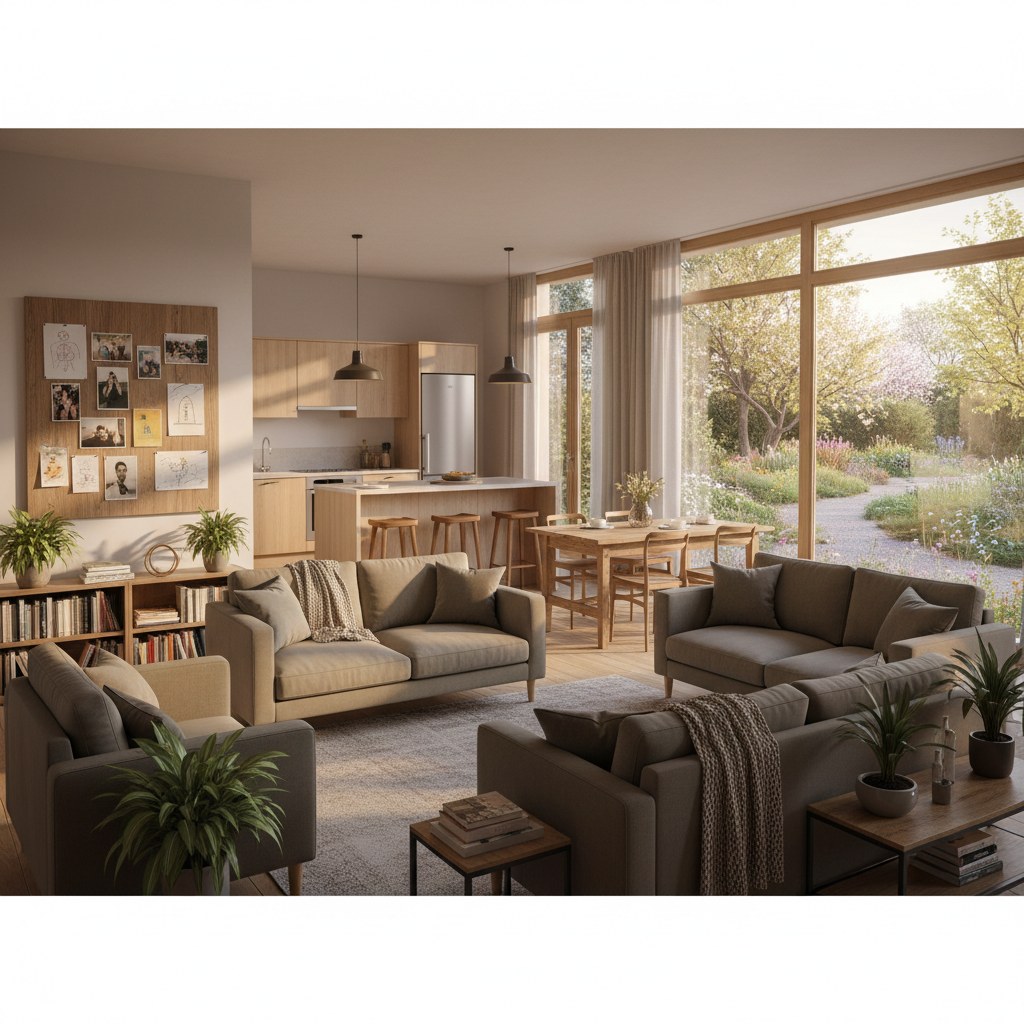
Recovery isn't a sprint—it's a journey that deserves the time and space to unfold naturally. Long-term drug rehab provides the extended care needed to address not just the substance use itself, but the underlying patterns, traumas, and life skills that support lasting change. When shorter programs haven't been enough, or when the roots of addiction run deep, a longer residential stay offers the stability and structure to truly transform.
Our coastal setting provides a serene backdrop for this important work. Here, you'll find the breathing room to heal at your own pace, surrounded by professionals who understand that sustainable recovery can't be rushed. With months rather than weeks to focus on yourself, you'll have the opportunity to rebuild from the ground up—developing healthy coping mechanisms, processing difficult emotions, and rediscovering who you are beyond addiction.
The Benefits of Extended Treatment
Time for Real Change
Longer stays allow your brain to heal from substance use while you develop and practice new coping skills until they feel natural.
Deeper Therapeutic Work
Extended treatment creates space to address underlying trauma, mental health conditions, and behavioral patterns that shorter programs can't fully explore.
Reduced Relapse Risk
Studies consistently show that longer treatment durations correlate with better long-term outcomes and lower rates of return to use.
Comprehensive Skill Building
You'll have months to learn and practice essential life skills, from managing emotions to rebuilding relationships and navigating daily challenges.
Stronger Support Networks
Extended time in community allows for meaningful bonds with peers and staff who become part of your ongoing recovery support system.
Gradual, Sustainable Transition
Longer programs allow for step-down phases that ease you back into daily life rather than an abrupt return to old environments.
Speak to a real person.
Your Long-Term Treatment Journey
- Comprehensive Assessment We begin with an in-depth evaluation of your substance use history, mental health, physical health, and personal circumstances to create a truly individualized treatment plan that evolves with you.
- Stabilization and Early Recovery The first phase focuses on physical and emotional stabilization, building foundational skills, and beginning to understand the roots of your addiction through intensive therapy and support.
- Deep Therapeutic Work As you progress, treatment shifts toward processing trauma, developing advanced coping strategies, addressing co-occurring conditions, and practicing new behaviors in a safe, supportive environment.
- Integration and Preparation The final phase emphasizes real-world skill application, rebuilding relationships, establishing community connections, and creating a detailed continuing care plan that supports you after residential treatment ends.