 Beacon Shores
Vista · CA
Men's Drug Rehab in Vista, CA
Men's Drug Rehab in Vista
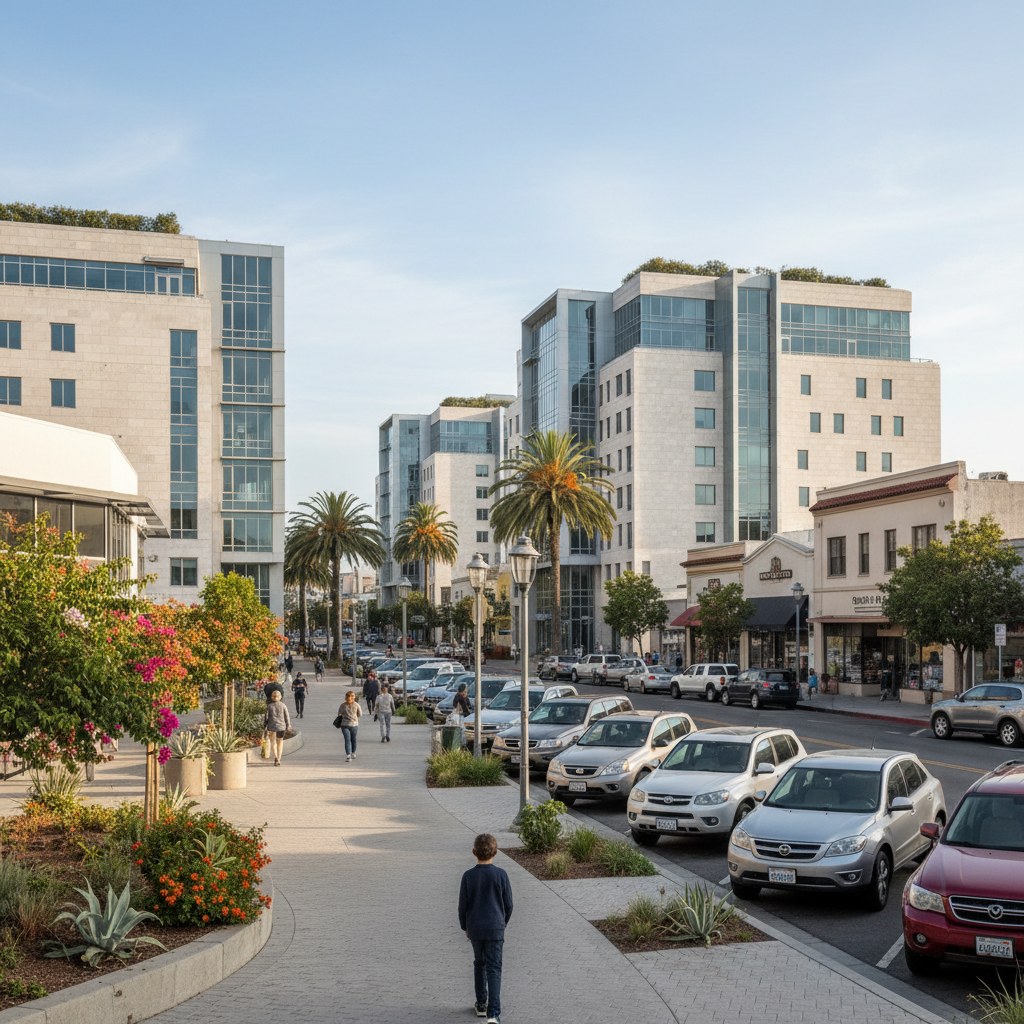
Vista, California, is a vibrant North County San Diego community of approximately 100,000 residents, known for its diverse population, thriving craft brewery scene, and family-oriented neighborhoods. While the city offers many recreational opportunities and a strong sense of community, Vista residents face significant challenges related to substance abuse and addiction. The prevalence of alcohol in the city's social culture, combined with California's ongoing struggles with opioid misuse and methamphetamine use, means that many Vista families are directly impacted by addiction.
The pressures of modern life in North County—from economic stresses and housing costs to the lingering effects of the pandemic—have contributed to increased rates of substance abuse throughout the region. Vista residents dealing with addiction often feel isolated, unsure of where to turn for help that understands both their clinical needs and the specific challenges of their community. Many individuals struggle in silence, worried about stigma or uncertain about available treatment options, while their addiction progressively affects their relationships, employment, and overall quality of life.
Our Encinitas-based addiction treatment center is ideally positioned to serve the Vista community, offering comprehensive, evidence-based care just a short drive away. We understand the unique character of North County communities and provide personalized treatment plans that address not only the physical aspects of addiction but also the underlying mental health issues and life circumstances that contribute to substance abuse. Whether you're struggling with alcohol dependence, prescription drug misuse, or other addictive behaviors, our compassionate team is committed to supporting Vista residents on their journey to lasting recovery and helping them rebuild meaningful, substance-free lives.
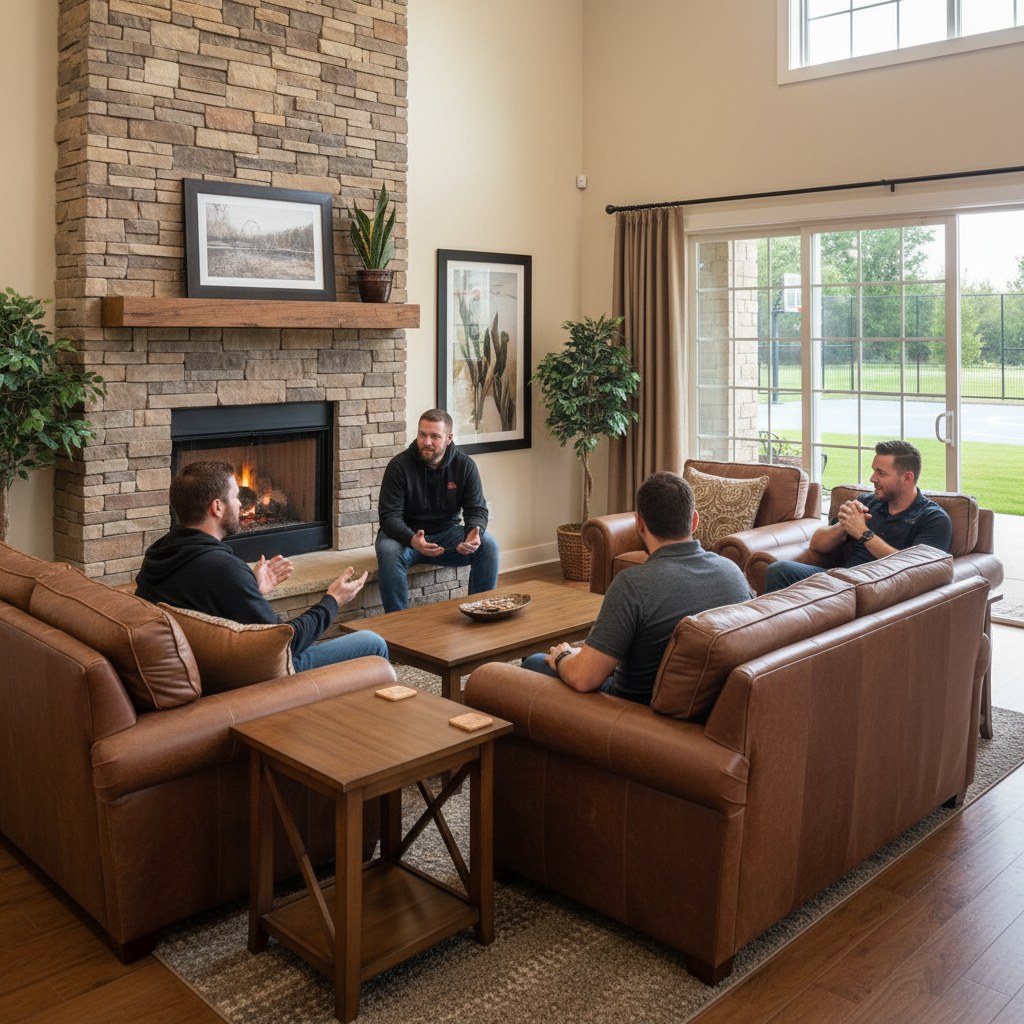
Addiction doesn't discriminate, but recovery isn't one-size-fits-all. Men face unique pressures, expectations, and barriers when it comes to seeking help—and they deserve a treatment environment that understands those differences. Our men's drug rehab program creates a space where you can drop the armor, be honest about what you're facing, and begin the real work of healing.
Set in a coastal environment that invites reflection and renewal, our program combines clinical excellence with the understanding that sustainable recovery requires more than just stopping drug use. It's about rebuilding identity, restoring relationships, and discovering the strength that's been there all along—waiting beneath the weight of addiction.
Benefits of Gender-Specific Treatment
Shared Understanding
Connect with others who face similar pressures and challenges, reducing isolation and building genuine peer support.
Safe Vulnerability
Explore emotions and experiences in an environment free from posturing or the need to maintain a facade.
Targeted Therapy
Address issues particularly relevant to men's recovery, including anger management, emotional regulation, and healthy masculinity.
Reduced Distractions
Focus completely on your healing without the social dynamics that can complicate co-ed treatment settings.
Brotherhood & Accountability
Build meaningful connections with other men in recovery who will challenge and support you beyond treatment.
Practical Life Skills
Develop concrete tools for managing stress, communicating effectively, and rebuilding relationships with integrity.
Speak to a real person.
The Path Forward
- Assessment & Welcome Begin with a comprehensive evaluation of your physical health, substance use history, mental health, and personal goals. We'll create an individualized treatment plan that addresses your specific needs and circumstances.
- Detox & Stabilization If needed, receive medical support through withdrawal in a safe, supervised environment. Our clinical team monitors your comfort and safety while your body begins the healing process.
- Active Treatment Engage in daily individual therapy, men's group sessions, educational workshops, and wellness activities. This is where the deeper work happens—understanding patterns, processing trauma, and building new skills.
- Transition Planning As treatment progresses, develop a detailed aftercare plan including ongoing support, relapse prevention strategies, and practical steps for reintegrating into daily life with confidence and clarity.