 Beacon Shores
Lake San Marcos · CA
Partial Hospitalization Program in Lake San Marcos, CA
Partial Hospitalization Program in Lake San Marcos
Lake San Marcos is a distinctive master-planned community in North San Diego County, known for its scenic lake, resort-style amenities, and family-oriented atmosphere. This peaceful enclave offers residents a quiet retreat from urban pressures, yet the serenity of lakeside living doesn't make communities immune to the challenges of addiction. Substance use disorders can affect anyone, regardless of zip code or lifestyle, and Lake San Marcos residents deserve access to professional, compassionate addiction treatment without having to travel far from home.
The very qualities that make Lake San Marcos appealing—privacy, close-knit neighborhoods, and a focus on maintaining appearances—can sometimes make it harder for individuals and families to seek help for addiction. The stigma surrounding substance use disorders may feel particularly acute in tight-knit communities where everyone knows their neighbors. However, addressing addiction early and effectively is crucial for long-term recovery, and local treatment options provide the confidential, professional support needed to begin the healing process.
Our Encinitas-based addiction treatment services are readily accessible to Lake San Marcos residents, offering evidence-based care in a welcoming environment. We understand the unique needs of North County families and provide personalized treatment plans that address the physical, emotional, and psychological aspects of addiction. Whether you're struggling with alcohol dependence, prescription medication misuse, or other substance use disorders, recovery is possible with the right support system in place. Our team is committed to helping Lake San Marcos residents reclaim their health, rebuild relationships, and rediscover the peace and balance that drew them to this special community in the first place.
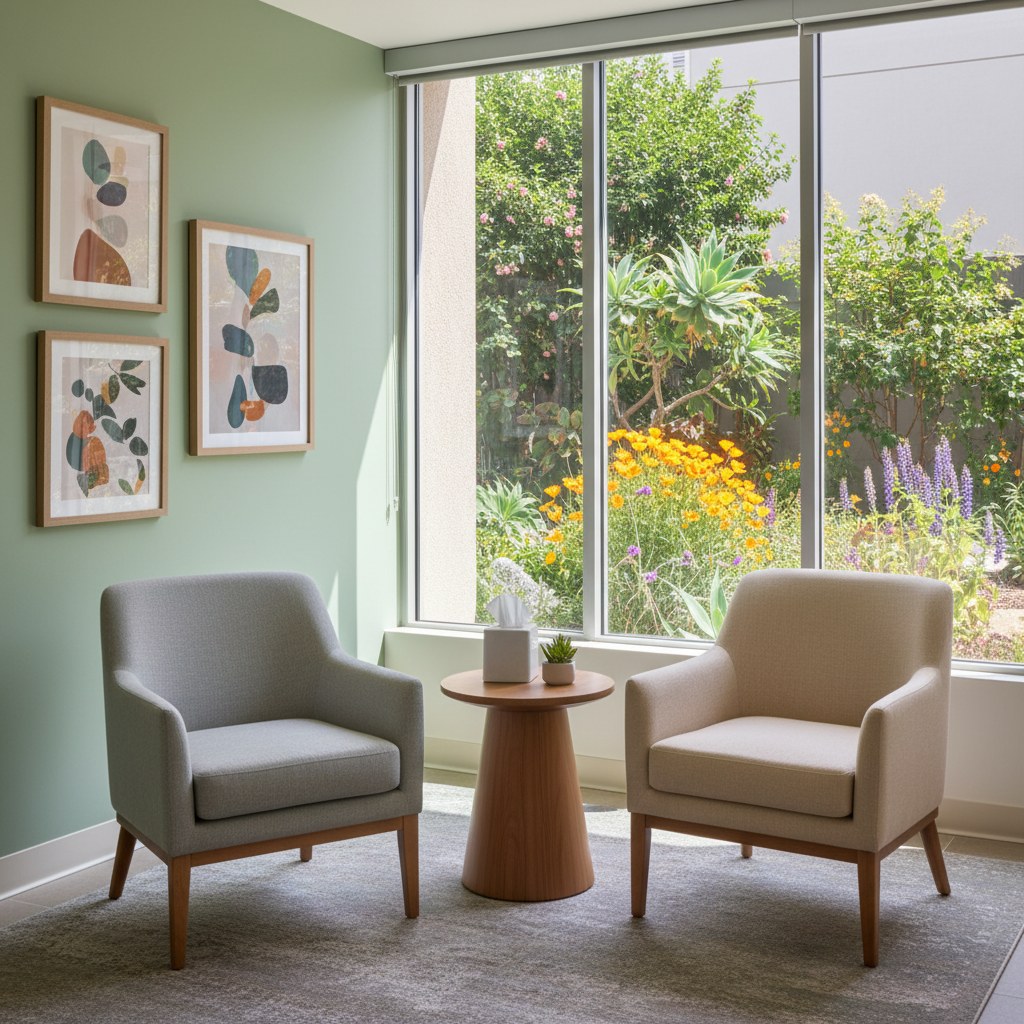
Recovery doesn't follow a single path, and sometimes you need more than weekly therapy but don't require 24-hour residential care. Our partial hospitalization program offers the clinical intensity of inpatient treatment with the grounding benefit of returning home each evening—a bridge between full immersion and outpatient support.
This structured approach provides comprehensive treatment during the day while allowing you to practice new skills in your real-world environment. You'll receive the therapeutic support you need while maintaining connections to family, work, and the rhythms of daily life that anchor lasting recovery.
Benefits of Our Program
Clinical Intensity Meets Flexibility
Receive comprehensive treatment without stepping away from your life completely, maintaining important connections while healing.
Structured Daily Support
Build new habits and coping skills within a consistent therapeutic framework that holds you accountable.
Real-World Practice
Test new recovery tools in your actual environment each evening, bringing insights back to treatment the next day.
Smooth Care Transitions
Step down from residential treatment or step up from standard outpatient care without gaps in support.
Cost-Effective Intensive Care
Access high-level clinical services at a lower cost than residential programs while maintaining treatment effectiveness.
Community Connection
Form meaningful bonds with others on similar journeys through shared daily experiences and group healing.
Speak to a real person.
Your Treatment Journey
- Comprehensive Assessment We begin with a thorough evaluation of your substance use history, mental health needs, and personal circumstances. Together, we'll determine if partial hospitalization is the right level of care and create your personalized treatment plan.
- Immersive Daily Treatment Attend programming five to six hours daily, engaging in individual therapy, group work, medication support, and holistic therapies. You'll develop coping strategies, process underlying issues, and build your recovery foundation alongside supportive peers.
- Evening Integration Return home each evening to practice skills in your real environment. This rhythm helps you bridge the gap between treatment and independent living while maintaining clinical support.
- Transition Planning As you progress, we'll collaboratively plan your next steps—whether continuing in outpatient care, joining support groups, or other ongoing resources. Recovery doesn't end when programming does; we ensure you're prepared for what comes next.