 Beacon Shores
Recovery isn't something you can rush through on weekends or squeeze between obligations. When addiction has taken hold of your life, sometimes the most powerful thing you can do is step away from everything familiar and commit fully to healing. That's what residential treatment offers—a complete immersion in recovery, surrounded by clinical support and others who understand exactly what you're going through.
Our residential treatment center provides a safe haven where you can focus entirely on getting well. Here by the coast, away from the triggers and chaos of daily life, you'll find the space to rebuild your foundation. This isn't just detox or a quick fix. It's a comprehensive program where every day is structured around your healing, your growth, and your future.
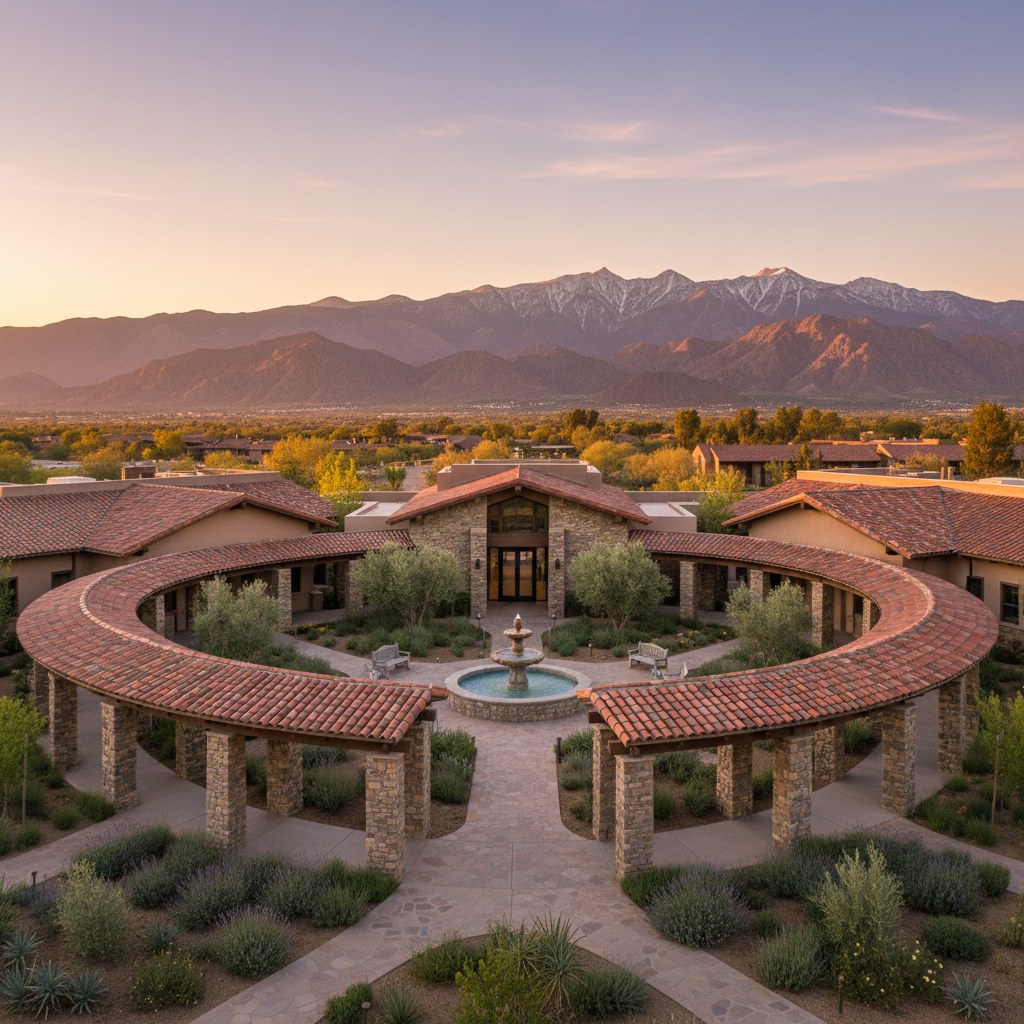
What Residential Treatment Involves
Residential treatment means living on-site for the duration of your program, typically ranging from 30 to 90 days depending on your needs. You'll have your own comfortable accommodations within a therapeutic community, where structure and support define each day. From the moment you wake up to evening reflection, your schedule includes individual therapy, group sessions, educational workshops, experiential activities, and proven clinical interventions tailored to address the root causes of addiction.
This is 24/7 care in the truest sense. Our clinical team is always present, providing medication management when needed, crisis support, and continuous monitoring of your progress. You'll work closely with therapists trained in evidence-based modalities, participate in peer support groups, develop coping skills, and begin rebuilding the life skills that addiction may have eroded. Every element is designed to help you understand your relationship with substances, heal underlying trauma, and create sustainable patterns for long-term sobriety.

The Benefits of Residential Care
Complete immersion
Remove yourself from triggering environments and focus entirely on recovery without the distractions of daily life.
24/7 clinical support
Access to professional care around the clock ensures safety, stability, and immediate help when challenges arise.
Structured healing environment
Every day follows a therapeutic schedule that builds healthy routines and eliminates the chaos addiction creates.
Peer community connection
Live alongside others on the same journey, building authentic relationships that reinforce hope and accountability.
Comprehensive treatment approach
Address not just the addiction but the underlying mental health issues, trauma, and life circumstances that fuel it.
Safe transition foundation
Build a strong recovery foundation before returning home, equipped with tools and confidence for lasting change.
Speak to a real person.
Your Residential Treatment Journey
- Assessment and admission We begin with a thorough evaluation of your physical health, mental state, substance use history, and personal goals. This shapes your individualized treatment plan and ensures we address your unique needs from day one.
- Stabilization and engagement Your first days focus on medical stabilization if needed, orienting to the community, and beginning to engage with therapy. You'll meet your treatment team and start building trust in the process.
- Active treatment phase The core of your stay involves daily individual therapy, group work, skill-building workshops, and experiential activities. You'll process trauma, understand addiction patterns, and develop concrete coping strategies for life after treatment.
- Transition planning As your program nears completion, we focus on aftercare planning—connecting you with outpatient support, sober living options, community resources, and relapse prevention strategies to sustain your progress long-term.
Who Residential Treatment Is For
Residential treatment is designed for anyone whose addiction has reached a severity where outpatient care isn't enough. If you've tried other approaches without success, if your home environment makes sobriety nearly impossible, or if you're dealing with complex co-occurring mental health conditions alongside substance use, residential care provides the intensive support you need. It's for people ready to make a significant commitment to change—to step away from their current life and invest fully in recovery.
This level of care is also ideal when medical supervision is important, when you need a safe place to stabilize, or when the structure and accountability of 24/7 support is the difference between relapse and breakthrough. Whether you're in crisis or simply recognize that partial measures won't cut it anymore, residential treatment offers the immersive healing environment where transformation becomes possible.
Common questions
How long does residential treatment typically last?
Most residential programs run between 30 and 90 days, though the ideal length depends on your individual needs and progress. Longer stays often lead to better outcomes, as they allow more time to build new patterns and address underlying issues. Your treatment team will work with you to determine the right duration.
Can I have contact with family during residential treatment?
Yes, though contact is typically structured to support your recovery. Most programs include designated times for phone calls and visits, and many incorporate family therapy sessions. Early in treatment, contact may be limited to help you focus on stabilization, but family involvement becomes increasingly important as you progress.
What should I bring to residential treatment?
You'll need comfortable clothing, personal toiletries, any prescribed medications with documentation, and items that provide comfort like photos or journals. Most centers provide detailed packing lists and have restrictions on electronics, outside food, and certain personal items to maintain a therapeutic environment. It's best to contact the facility directly for specific guidelines.
What happens after I complete residential treatment?
Completing residential treatment is a beginning, not an ending. Most people transition to a lower level of care such as outpatient therapy, intensive outpatient programs, or sober living housing. Your treatment team will create a detailed aftercare plan that includes ongoing therapy, support group connections, and resources to help you maintain the progress you've made.