 Beacon Shores
Recovery doesn't end when treatment does. The transition back to everyday life often feels like the hardest part—where old triggers resurface and the structure that kept you steady suddenly disappears. Sober living for men offers a bridge between intensive care and full independence, giving you time to strengthen your foundation in an environment designed for healing.
Our men's sober living program combines accountability with autonomy, routine with personal growth. Here, you'll share space with others who understand the journey, practice the skills you've learned, and prove to yourself that you can build a life worth protecting—all while surrounded by the calming presence of the coast.
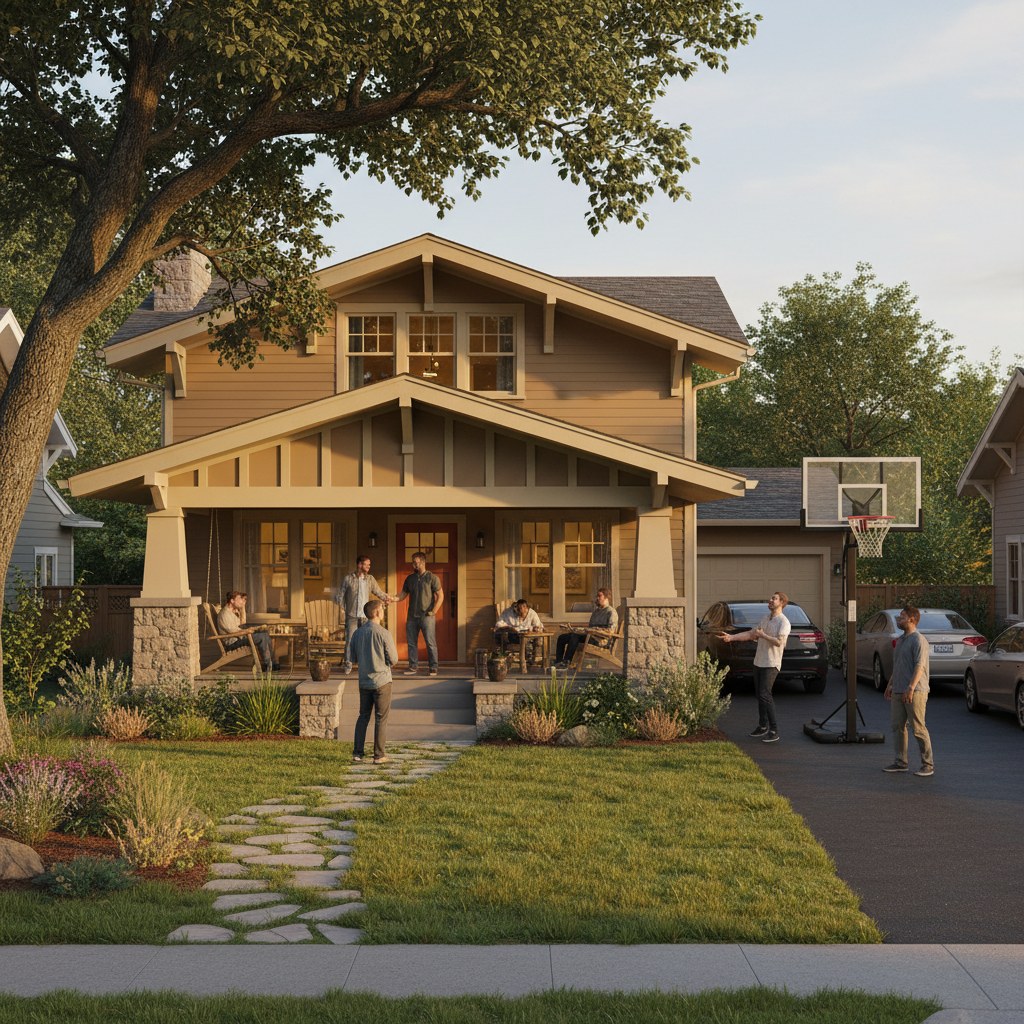
What Sober Living for Men Involves
Sober living provides a structured residential environment where men in recovery live together while reintegrating into daily life. Residents maintain sobriety, follow house guidelines, participate in household responsibilities, and often continue outpatient treatment or attend support groups. Unlike treatment facilities, sober living homes emphasize personal accountability and real-world application of recovery skills. You'll have the freedom to work, attend school, or pursue personal goals while returning each day to a substance-free home.
The structure varies by program but typically includes regular drug and alcohol testing, mandatory house meetings, assigned chores, and curfews that gradually relax as you demonstrate consistent progress. Many residents stay for several months, using this time to establish healthy routines, build a sober support network, and develop the confidence needed to eventually live independently. It's a space designed not to shelter you from life, but to help you engage with it from a position of strength.

Benefits of Men's Sober Living
Peer Accountability
Living alongside men facing similar challenges creates natural accountability and reduces the isolation that often threatens recovery.
Practical Life Skills
Daily responsibilities like budgeting, cooking, and time management become practice grounds for building independence and self-sufficiency.
Gradual Transition
The step-down approach lets you test your recovery skills with a safety net still in place, reducing the shock of sudden independence.
Reduced Relapse Risk
A substance-free environment removes immediate temptations and provides support during vulnerable early recovery months.
Lasting Connections
The bonds formed with housemates often evolve into lifelong friendships and a sober social network you can rely on.
Restored Confidence
Demonstrating to yourself that you can navigate everyday challenges sober rebuilds the self-trust addiction erodes.
Speak to a real person.
The Sober Living Process
- Assessment and Placement We begin with a conversation about your treatment history, recovery goals, and current needs to ensure sober living is the right fit and you're ready for this level of independence.
- Move-In and Orientation You'll meet your housemates, review house rules and expectations, and settle into your space. Early days focus on establishing routines and understanding the accountability structure.
- Active Participation Daily life includes attending house meetings, completing assigned responsibilities, maintaining employment or education, continuing therapy or support groups, and submitting to regular drug testing.
- Skill Building and Growth As you demonstrate stability, you'll take on more responsibilities and gain greater freedom, all while working with support staff to address challenges and plan for independent living.
- Transition Planning When you're ready to move on, we help you secure housing, strengthen your external support network, and create a relapse prevention plan that carries forward the structure you've built.
Who Benefits from Sober Living
Sober living for men serves anyone who has completed detox or residential treatment but isn't quite ready to return home or live alone. It's ideal if you're concerned about returning to an environment where substance use was common, if you lack stable housing, or if you simply want more time to solidify recovery skills before facing life's full pressures. Many men benefit from the gender-specific environment, which allows for open conversations about challenges men often face in recovery without distraction or self-consciousness.
You might consider sober living if you've relapsed after previous treatment attempts, if your home environment lacks support for your sobriety, or if you're rebuilding your life after addiction has cost you relationships, employment, or housing. It's also valuable if you're working or returning to school and need a stable, supportive home base. The key qualifier isn't the severity of your addiction history—it's your commitment to sobriety and willingness to participate honestly in a shared living community.
Common questions
How long do most men stay in sober living?
Stays typically range from three to twelve months, though there's no fixed timeline. Length depends on individual progress, stability, and readiness for independent living. Many residents find that staying longer than initially planned strengthens their foundation and reduces relapse risk.
Can I work or go to school while in sober living?
Absolutely—and it's encouraged. Most sober living programs expect residents to engage in productive activity, whether employment, education, or intensive outpatient treatment. This real-world engagement is part of how you practice recovery skills in everyday situations.
What happens if I relapse while in sober living?
Consequences vary by program and circumstance, but relapse doesn't always mean immediate discharge. Many programs offer opportunities to return to a higher level of care and then resume sober living. The goal is accountability that supports recovery, not punishment that derails it.
How is sober living different from a halfway house?
While terms overlap, sober living homes are typically privately run with voluntary participation, while halfway houses often serve court-ordered residents or those transitioning from incarceration. Sober living generally offers more flexibility and focuses exclusively on recovery support rather than legal obligations.