 Beacon Shores
When addiction takes hold, sometimes the most courageous step is creating distance from the triggers and routines that fuel it. Inpatient addiction treatment offers that essential space—a structured, supportive environment where you can focus entirely on healing without the distractions and pressures of daily life.
Our residential program combines medical expertise with the restorative power of coastal living. Here, you'll find comprehensive care that addresses not just the physical aspects of addiction, but the emotional, psychological, and spiritual dimensions of recovery as well.
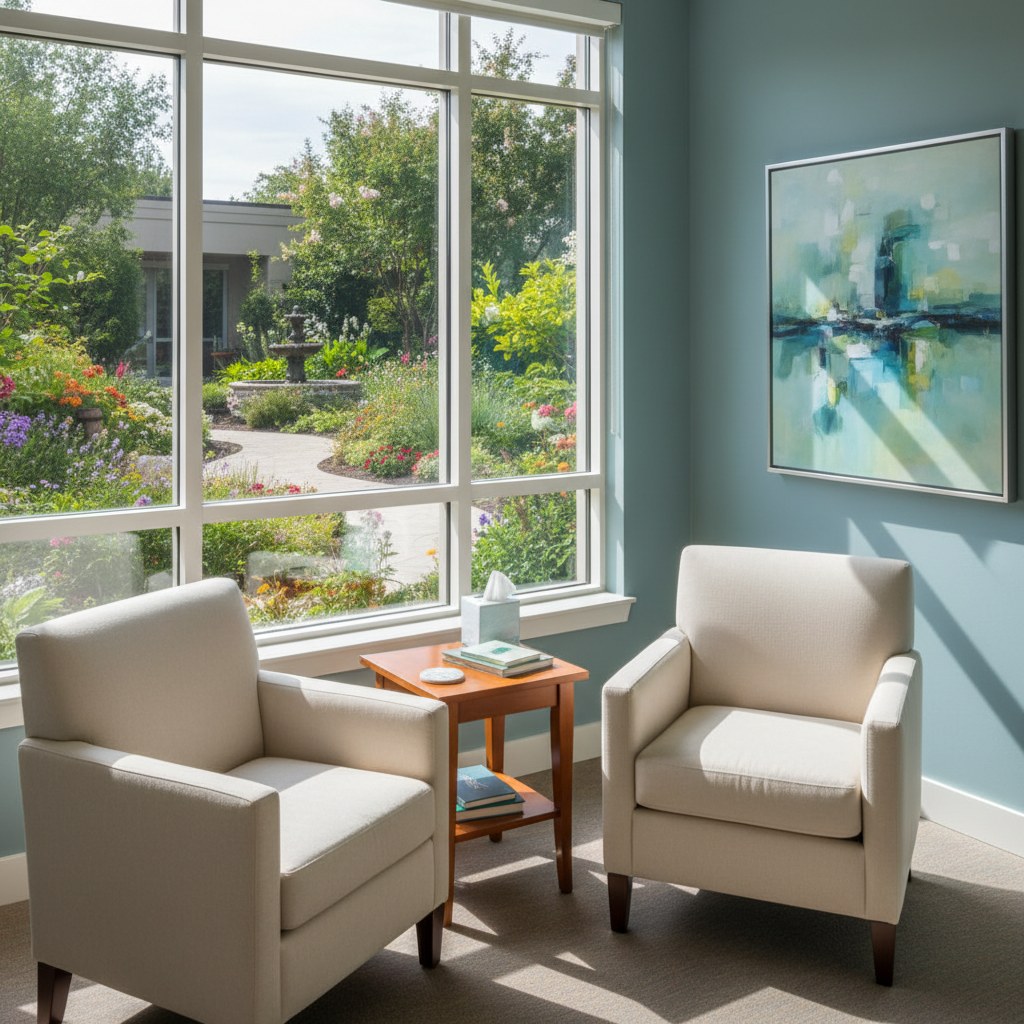
What Inpatient Treatment Involves
Inpatient addiction treatment means living at our facility for the duration of your program, typically ranging from 28 to 90 days depending on your needs. You'll have access to round-the-clock medical supervision, daily therapeutic sessions, and a carefully designed schedule that balances structure with rest. This immersive approach removes you from environments where substances are accessible and places you among peers who understand the journey you're on.
Your days include individual therapy, group counseling, evidence-based treatments like cognitive behavioral therapy, holistic wellness activities, and time for reflection. Medical professionals monitor your health continuously, managing withdrawal symptoms and any co-occurring mental health conditions. The ocean's proximity isn't just scenery—it becomes part of your healing, offering a constant reminder that peace and clarity are possible.

Benefits of Residential Care
24/7 Medical Support
Trained staff available around the clock to ensure your safety and comfort during detox and early recovery.
Elimination of Triggers
Physical separation from people, places, and substances that have sustained your addiction creates space for real change.
Immersive Focus
Without daily obligations pulling your attention, you can dedicate yourself fully to understanding and healing the roots of addiction.
Peer Connection
Living alongside others in recovery builds authentic relationships and reminds you that you're not alone in this struggle.
Structured Routine
A predictable daily schedule establishes healthy patterns and provides the stability many people in early recovery desperately need.
Comprehensive Treatment
Address physical dependence, mental health conditions, trauma, and life skills all in one coordinated program.
Speak to a real person.
Your Inpatient Treatment Journey
- Assessment & Admission We begin with a thorough evaluation of your physical health, substance use history, mental health, and personal circumstances. This helps us create a treatment plan tailored specifically to you and ensures you're admitted safely.
- Medical Detox & Stabilization If needed, you'll begin with medically supervised detoxification. Our team manages withdrawal symptoms with appropriate medications and monitoring, keeping you as comfortable and safe as possible during this vulnerable phase.
- Active Treatment Phase You'll engage in daily individual therapy, group sessions, educational workshops, and wellness activities. We work together to uncover underlying issues, develop coping strategies, and build the foundation for lasting sobriety.
- Transition Planning As your program progresses, we help you prepare for life after residential care. This includes connecting you with outpatient resources, supporting your family involvement, and creating a detailed aftercare plan to sustain your recovery.
Who Benefits from Inpatient Treatment
Inpatient care is often the right choice when addiction has become severe, when you've tried outpatient treatment without success, or when your home environment makes sobriety nearly impossible to maintain. It's essential for those experiencing dangerous withdrawal symptoms, struggling with co-occurring mental health conditions, or facing substances like alcohol, opioids, or benzodiazepines that require medical supervision during detox.
This level of care also serves people who need a complete reset—those whose addiction has cost them jobs, relationships, or housing, and who need time away to rebuild from solid ground. If you're unsure whether you need residential treatment, that uncertainty itself is worth exploring with professionals who can assess your situation honestly and recommend the appropriate level of care.
Common questions
How long does inpatient treatment typically last?
Most programs range from 28 to 90 days, though some people benefit from longer stays. The right duration depends on the severity of your addiction, your progress in treatment, and your individual circumstances. We'll work with you to determine the timeframe that gives you the best chance at lasting recovery.
Can I have contact with family during residential treatment?
Yes, family connection is often an important part of healing. Most programs include designated times for phone calls and visits, plus family therapy sessions when appropriate. Early in treatment, some boundaries help you focus inward, but we recognize that healthy relationships support long-term sobriety.
What happens after I complete inpatient treatment?
Residential care is the beginning, not the end, of your recovery journey. We'll help you transition to outpatient therapy, support groups, sober living arrangements, or other continuing care that matches your needs. A strong aftercare plan significantly improves your chances of maintaining sobriety once you return to daily life.
Will I be comfortable during detox and treatment?
While detox can be challenging, medical supervision makes it significantly safer and more comfortable than attempting it alone. We use appropriate medications and support to minimize withdrawal symptoms. Throughout treatment, you'll have a private or semi-private room, nutritious meals, and access to outdoor spaces that promote rest and healing.