 Beacon Shores
Recovery doesn't end when treatment does. The transition back to daily life is often the most challenging part of the journey, and sober living homes provide the essential bridge between intensive care and independent living. These structured, supportive environments give you time and space to practice new skills, build healthy routines, and strengthen your foundation before returning to the demands of everyday life.
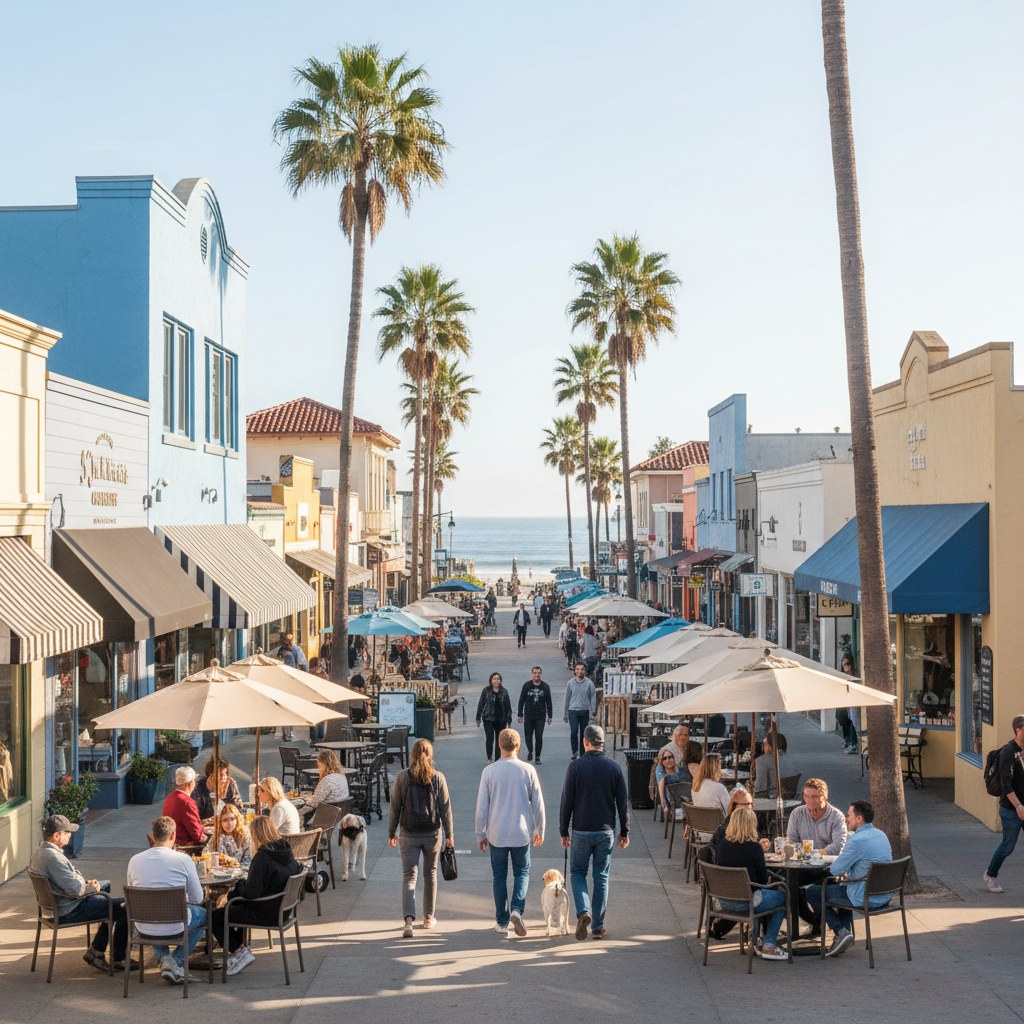
Our coastal setting offers more than just beautiful surroundings—it provides a naturally calming backdrop that supports healing and reflection. Here, you'll find a community of peers walking the same path, a structured environment that promotes accountability, and the freedom to rebuild your life at a sustainable pace.
What Sober Living Homes Provide
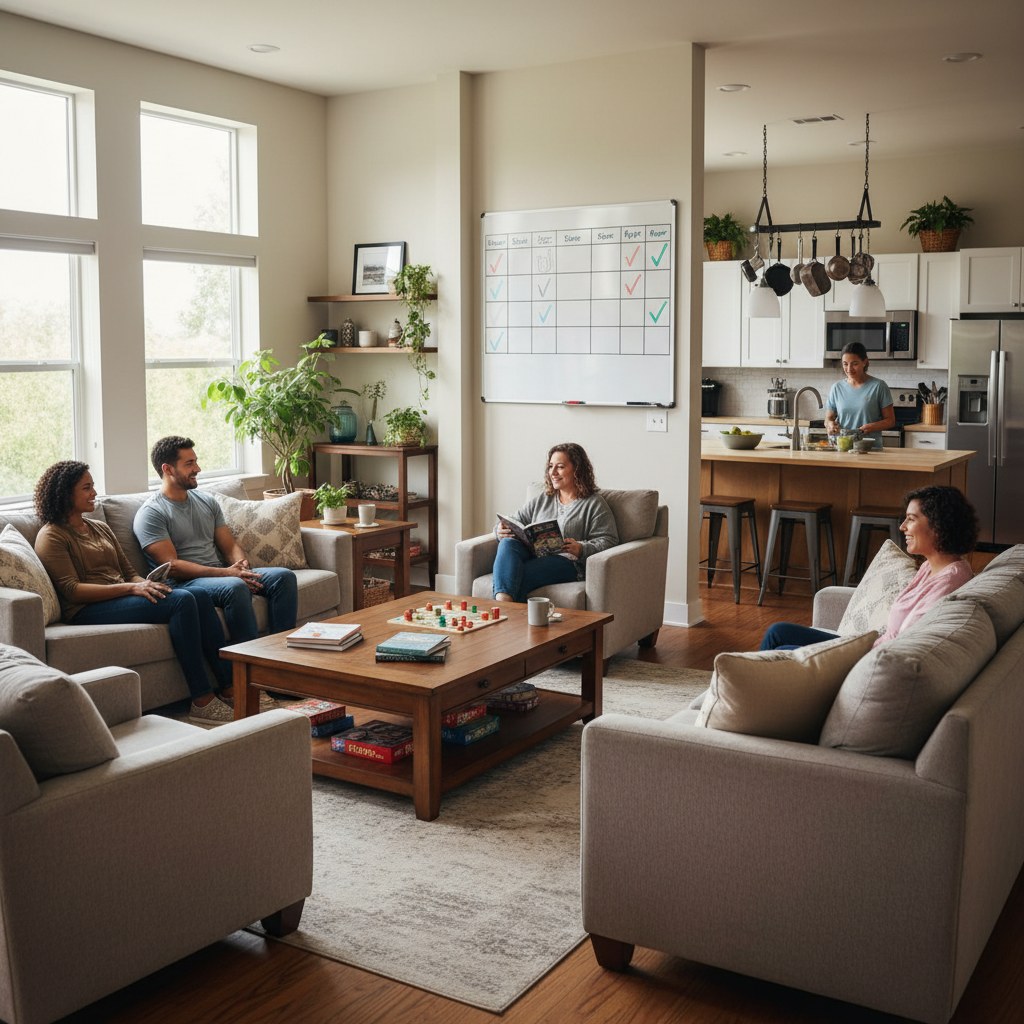
Sober living homes are shared residences designed specifically for people in recovery. Unlike transitional housing or halfway houses, these environments emphasize peer support, personal responsibility, and gradual reintegration into daily life. Residents typically have their own or shared bedrooms, access to common areas, and the benefit of living alongside others committed to sobriety. House rules—including drug and alcohol testing, curfews, and participation in house meetings—create structure while allowing increasing independence.
Most residents attend outpatient treatment, work, or pursue education while living in the home. This arrangement lets you apply recovery principles in real-world situations while maintaining the safety net of a sober environment. You'll participate in house responsibilities, attend recovery meetings, and engage with your housemates in a way that builds both accountability and genuine connection. The experience teaches practical life skills—budgeting, cooking, conflict resolution, time management—that are essential for long-term success but often overlooked in clinical settings.
The Benefits of Structured Sober Living
Community Support
Living with peers in recovery reduces isolation and provides daily encouragement from people who truly understand the challenges you're facing.
Accountability Systems
Regular check-ins, drug testing, and house meetings create healthy boundaries that help you stay committed to your recovery goals.
Gradual Transition
The structure allows you to rebuild confidence and life skills before taking on the full responsibility of independent living.
Real-World Practice
You'll navigate work, relationships, and daily stressors while maintaining sobriety in a supportive, substance-free environment.
Relapse Prevention
The combination of peer support, structure, and accountability significantly reduces the risk of returning to substance use during vulnerable early recovery.
Lasting Connections
The relationships formed in sober living often become lifelong friendships and crucial elements of your ongoing support network.
Speak to a real person.
Your Path to Stable Recovery
- Initial Assessment We'll discuss your treatment history, recovery goals, and specific needs to ensure our sober living environment is the right fit for this stage of your journey.
- Move-In and Orientation You'll settle into your room, meet your housemates, and review house guidelines, schedules, and expectations so you know exactly what to expect.
- Structured Daily Living You'll establish routines that include outpatient care, work or education, house responsibilities, recovery meetings, and community engagement—all while maintaining sobriety.
- Increasing Independence As you demonstrate commitment and stability, you'll gradually take on more freedom and responsibility, building confidence for the transition ahead.
- Transition Planning When you're ready, we'll help you prepare for independent living, ensuring you have the support network, skills, and resources needed for lasting success.
Who Sober Living Homes Serve
Sober living is ideal for anyone transitioning out of residential treatment who needs continued structure and support but is ready for more independence. It's particularly valuable if you're concerned about returning to an environment where substance use was common, if you lack a stable living situation, or if you simply want more time to solidify your recovery before facing the full demands of independent life.
This level of care serves people at various stages—whether you're stepping down from intensive treatment, looking to strengthen several months of sobriety, or rebuilding after a relapse. If you're working, attending school, or participating in outpatient care and need a safe, substance-free home base, sober living provides that foundation. It's for anyone who recognizes that recovery requires both personal commitment and environmental support.
Common questions
How long do people typically stay in sober living?
Most residents stay between three and twelve months, though length varies based on individual needs and goals. The focus is on building a strong enough foundation that you feel genuinely ready for independent living, not rushing through a predetermined timeline. Your progress, stability, and confidence guide the transition.
Can I work or go to school while in sober living?
Absolutely—most residents maintain jobs, attend school, or participate in vocational training while living in the home. This real-world engagement is actually encouraged as it helps you practice recovery skills in daily life. The structure of sober living supports your responsibilities rather than limiting them.
What happens if someone relapses while in the home?
Policies vary, but most sober living environments view relapse as a signal that additional support is needed rather than an automatic reason for dismissal. Honesty is essential, and returning to a higher level of care may be necessary. The priority is always your safety and long-term recovery, and we'll work with you to determine the best next step.
How is sober living different from a halfway house?
While both provide structured environments, sober living homes typically offer more freedom and emphasize peer support and personal responsibility over strict supervision. Halfway houses are often court-mandated and more restrictive, whereas sober living is voluntary and designed for people actively committed to recovery. The atmosphere tends to be more community-focused and less institutional.