 Beacon Shores
Recovery doesn't end when formal treatment concludes—it's just beginning. The transition from a structured treatment environment back to everyday life brings unique challenges that require continued support, accountability, and practical tools. Drug rehab aftercare bridges this critical gap, providing the ongoing guidance you need to maintain sobriety and build a fulfilling life in recovery.
Our aftercare services are designed to meet you wherever you are in your journey. Whether you've just completed an intensive program or you're years into recovery and facing new obstacles, aftercare provides the framework, resources, and community connection that help you stay grounded in your commitment to lasting change.
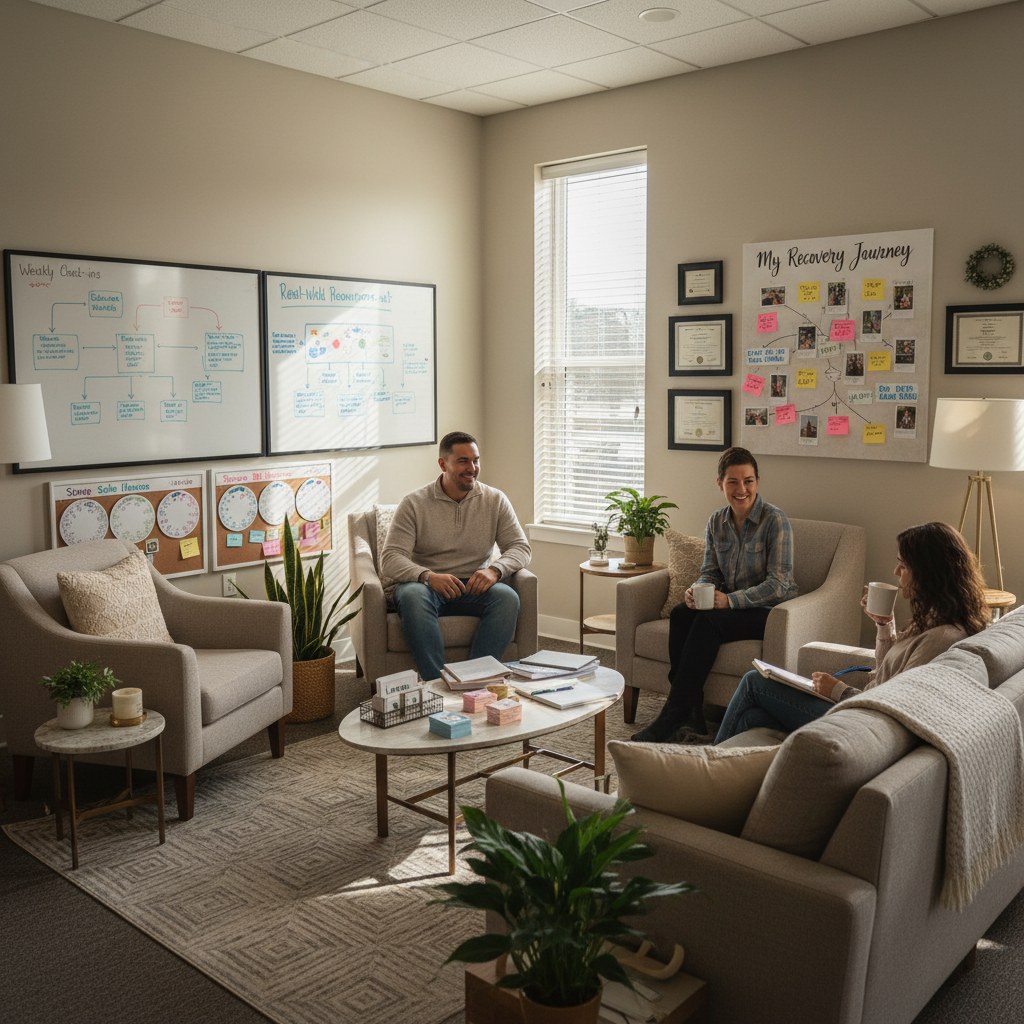
What Drug Rehab Aftercare Involves
Aftercare is a structured continuation of your recovery plan that adapts to your changing needs as you navigate life outside of treatment. This typically includes ongoing therapy sessions—both individual and group—where you can process challenges, celebrate milestones, and refine coping strategies. You'll have access to peer support meetings, alumni groups, and recovery coaching that keep you connected to others who understand the path you're walking.
The frequency and format of aftercare are customized to your circumstances. Some people benefit from weekly check-ins and monthly group sessions, while others need more intensive support during particularly vulnerable periods. Aftercare also involves practical life skills development—managing triggers in work environments, rebuilding relationships, establishing healthy routines, and addressing co-occurring mental health needs that may surface as you adjust to sober living.

The Benefits of Continued Support
Reduced Relapse Risk
Regular aftercare participation significantly lowers the likelihood of returning to substance use by maintaining accountability and intervention when warning signs emerge.
Community Connection
You remain linked to a supportive network of peers, mentors, and professionals who celebrate your progress and help you through difficult moments.
Skill Reinforcement
Ongoing practice and refinement of coping strategies ensure that recovery tools become second nature rather than fading from memory.
Life Transition Support
Guidance through major life changes—new jobs, relationship shifts, family dynamics—helps you navigate stress without compromising your sobriety.
Early Problem Detection
Regular contact allows your care team to identify emerging issues before they escalate into crisis situations.
Confidence Building
Each milestone achieved with aftercare support strengthens your belief in your capacity to maintain long-term recovery independently.
Speak to a real person.
Your Aftercare Journey
- Transition Planning Before primary treatment ends, we work with you to create a personalized aftercare plan that addresses your specific risk factors, support needs, and recovery goals. This roadmap guides your next phase.
- Scheduled Support Sessions You'll attend regular individual therapy, group meetings, or coaching sessions based on your plan. These touchpoints provide structure and accountability while allowing flexibility as your needs evolve.
- Community Integration We help you connect with peer support groups, alumni networks, and recovery-oriented activities that build a sober social circle and sense of belonging beyond clinical settings.
- Progress Monitoring Through ongoing assessments and honest conversations, we track your wellbeing, identify emerging challenges, and adjust your aftercare plan to ensure it continues serving your recovery effectively.
- Graduated Independence As you build confidence and stability, aftercare gradually becomes less intensive, preparing you for fully independent recovery while keeping support available whenever you need it.
Who Benefits from Aftercare
Aftercare is essential for anyone completing an addiction treatment program, regardless of the substance involved or the intensity of the initial care. The early months after leaving a structured environment are statistically the highest-risk period for relapse, making continued support critical during this vulnerable transition. If you've just finished inpatient rehab, intensive outpatient treatment, or a residential program, aftercare provides the safety net that helps you apply what you've learned in real-world situations.
Aftercare is also valuable for people who completed treatment months or years ago but are facing new stressors, life changes, or warning signs that their recovery needs reinforcement. Perhaps you're experiencing increased cravings, isolating from your support network, or struggling with unresolved trauma that's surfacing now. Returning to structured aftercare isn't a sign of failure—it's a proactive choice that demonstrates your commitment to protecting the life you've built in recovery.
Common questions
How long does aftercare last?
Aftercare duration varies based on individual needs and can range from a few months to several years. Many people participate intensively at first and then transition to periodic check-ins as they build stability. There's no predetermined endpoint—the goal is supporting you for as long as it serves your recovery.
Is aftercare the same as attending support group meetings?
While peer support meetings are often part of aftercare, comprehensive aftercare includes much more—individual therapy, relapse prevention planning, care coordination, crisis intervention, and personalized clinical support. Think of support groups as one valuable component within a broader aftercare framework.
What if I relapse during aftercare?
Relapse doesn't mean aftercare has failed or that you've lost your progress. If substance use occurs, your aftercare team helps you process what happened, identify contributing factors, adjust your recovery plan, and reconnect with your commitment without shame or judgment. Aftercare provides exactly this kind of compassionate, immediate support.
Can I participate in aftercare if I work full-time?
Absolutely. Aftercare schedules are designed around your life commitments, with evening sessions, weekend options, and flexible formats including telehealth. The goal is making continued support accessible, not adding impossible burdens to your daily responsibilities.