 Beacon Shores
Bostonia · CA
Inpatient Alcohol Rehab in Bostonia, CA
Inpatient Alcohol Rehab for Bostonia Residents
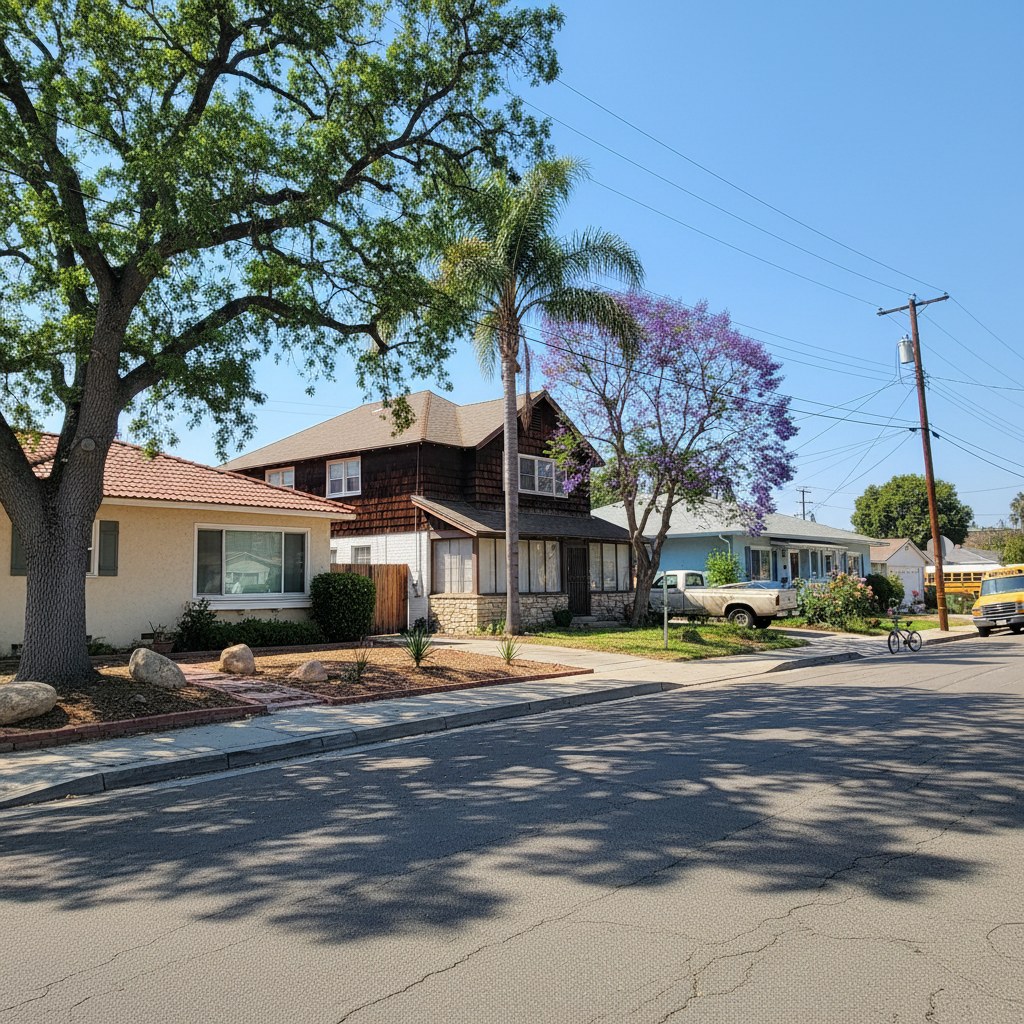
Bostonia's working-class character and dense residential development create an environment where alcohol addiction can significantly impact families and individuals trying to maintain stability. Many residents face economic pressures and may have used alcohol as a coping mechanism for stress, gradually developing dependence that affects their ability to work and care for their families. Our inpatient alcohol rehab program provides Bostonia residents with intensive treatment that addresses both the physical aspects of addiction and the life circumstances that contributed to their alcohol use.
The community's location in the heart of East County means residents have convenient access to our services while still benefiting from a treatment environment separated from their daily routines and triggers. We understand the challenges facing Bostonia residents, from financial concerns to family responsibilities, and work to provide treatment that acknowledges these realities while maintaining the clinical intensity necessary for successful recovery. Our program helps residents build practical skills for maintaining sobriety in their community, preparing them to return home with confidence and a solid plan for continued recovery.

Choosing inpatient alcohol rehab is one of the most courageous decisions you'll ever make. It means stepping away from the patterns and environments that have sustained your drinking, and stepping into a space designed entirely for your healing. Here, you're not alone—you're surrounded by professionals who understand addiction's grip and peers who share your determination to break free.
Our residential program creates the foundation for lasting recovery by removing you from triggers and temptations while providing round-the-clock medical care, therapeutic support, and the structure you need to rediscover who you are beyond alcohol. With the ocean nearby and qualified staff beside you, you'll find the clarity and strength to begin again.
Benefits of Residential Treatment
Medical Safety
Trained staff monitor your health around the clock, managing withdrawal complications and ensuring your physical stability throughout detox and early recovery.
Complete Focus
Removing yourself from daily stressors and drinking triggers allows you to devote your full energy to healing without distraction or temptation.
Therapeutic Intensity
Multiple therapy sessions each week provide the depth of work needed to address underlying trauma, co-occurring mental health conditions, and entrenched patterns.
Peer Connection
Living alongside others in recovery creates powerful bonds of understanding, accountability, and encouragement that continue long after treatment ends.
Skill Development
Structured programming teaches practical relapse prevention techniques, emotional regulation strategies, and healthy routines you'll use for life.
Protected Environment
A safe, substance-free setting gives you permission to be vulnerable, make mistakes, and grow without judgment or external pressure.
Speak to a real person.
Your Inpatient Treatment Journey
- Assessment and Admission We begin with a comprehensive evaluation of your drinking history, physical health, mental health, and personal circumstances. This assessment guides your individualized treatment plan and ensures we address your complete needs from day one.
- Medical Detoxification If needed, you'll receive 24/7 medical support during withdrawal, with medications and monitoring to keep you safe and comfortable. This typically lasts several days to a week, preparing your body for the therapeutic work ahead.
- Intensive Therapy and Programming You'll engage in daily individual counseling, group therapy, educational sessions, and wellness activities designed to heal mind, body, and spirit. This phase builds insight, skills, and the internal resources necessary for sustained recovery.
- Transition Planning Before discharge, we work with you to create a detailed aftercare plan including outpatient therapy, support group connections, sober living arrangements if helpful, and strategies for maintaining sobriety in your home environment.